 Toll Free: 911 563 3336
 Toll Free: 911 563 3336
In farming, time is more than money — it's the window that defines a family's prosperity. Every hard worker knows that the reliability of their tools determines their performance within that window. For a farmer, that tool is the tractor.
At Kartar, our legacy of excellence and multiple national awards are built on the principle of consistent performance. Partnering with Kirloskar Engines — a name synonymous with reliability and innovation in agricultural mechanization — was a natural step in the same direction.
This collaboration goes beyond business. It's a shared mission to empower farmers with technology they can trust. From nimble 40 HP models to heavy-duty 95 HP machines, shared principles of efficiency, reliability, and long-term value drive this partnership.
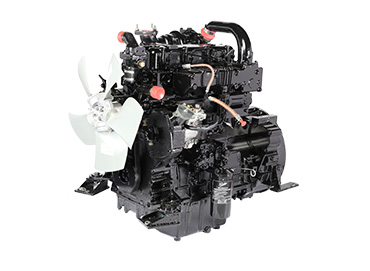
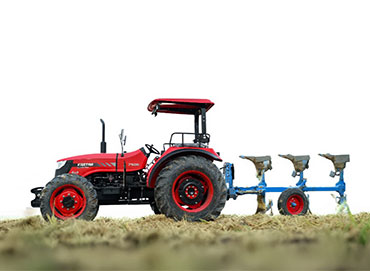
The true measure of a great engine — the one farmers often talk about over a cup of tea — lies in its fuel efficiency. When an engine requires less diesel to complete the same work, the savings compound across the entire season. Kirloskar engines used across the Kartar range are optimized for lower fuel consumption and maximum output, ensuring operational costs remain low and productivity stays high.
Advanced technologies such as Turbocharger, Common Rail Direct Injection, Central Direct Injection, Hydraulic Latch Adjustment, and Roller Tappet Arrangement are integrated as per variant requirements, ensuring efficient and reliable power delivery. With extended 500-hour service intervals, farmers experience minimal downtime — because a tractor should work in the field, not sit in the shed.
Every Kartar tractor powered by Kirloskar delivers steady performance, reduced diesel costs, and lasting peace of mind. For farmers across India and 32 countries worldwide, that dependable hum in the field isn't just a sound — it's the rhythm of progress.
Copyright © Kartar, All Rights Reserved - 2025